
Spain at a crossroad
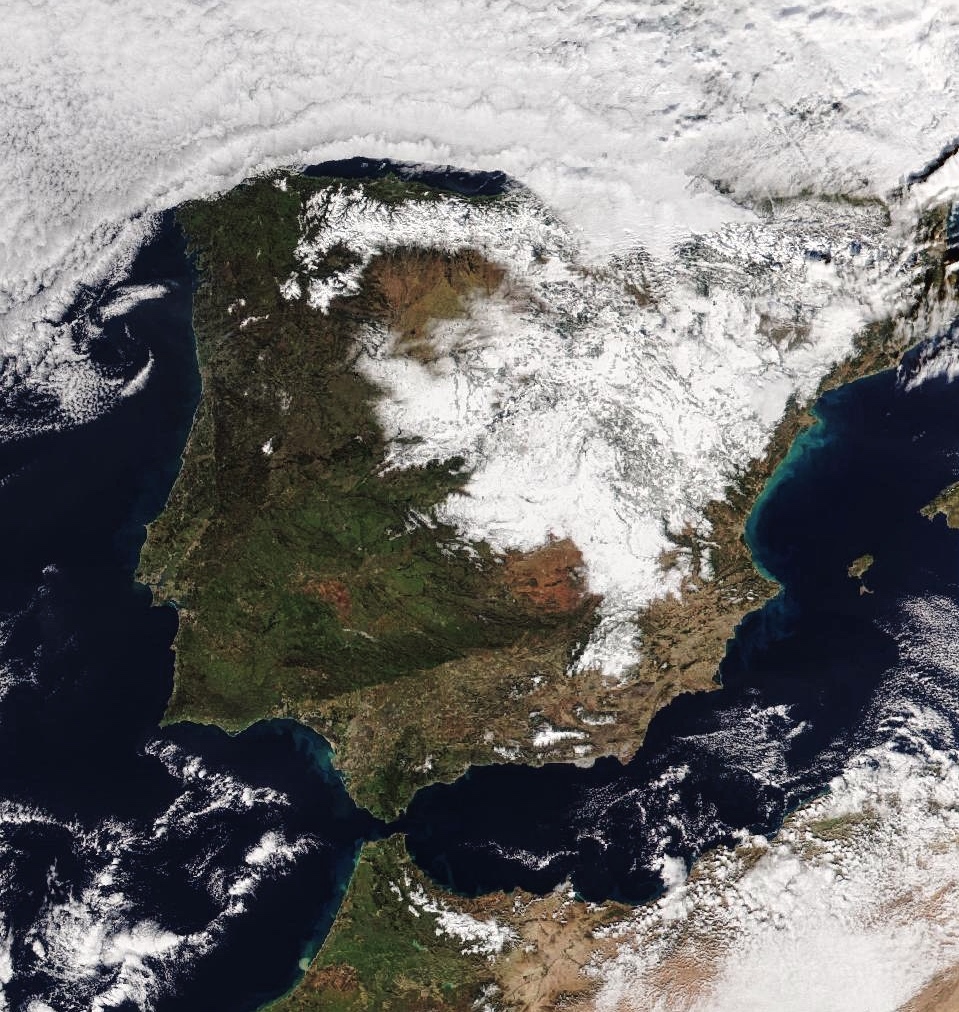
I represent a country, Spain, which has always been a crossroads and a meeting point for different cultures, traditions and religions. We have a multiple and diverse identity, with deep Mediterranean roots because we know and appreciate its richness. For this reason, we aspire, as we did in the famous Toledo School of Translation and throughout our history, to be introducers, translators and facilitators of encounters and dialogues. We believe that in our troubled world mutual understanding and dialogue are especially necessary today to overcome the serious challenges we face together. The Spanish thinker and pedagogue Giner de los Ríos pointed out that Spain was ‘a country in debt to the world. A country that would need to return to other nations even one hundredth of what we receive from them.’ With humility, perhaps in these times, we can return some of the things that our country has received from others over the centuries. In particular, from the Arab world. Thanks to its intellectuals, like Averroes, we started the recovery of classical thought. Through its poets and its artists a decisive part of our own sensitivity was nurtured.
Is the history of your country influenced by different cultures and religious traditions? Do you think the Islamic history of Spain can contribute to bringing together different cultures and religious traditions today?