
The Arabi pillar of the European culture
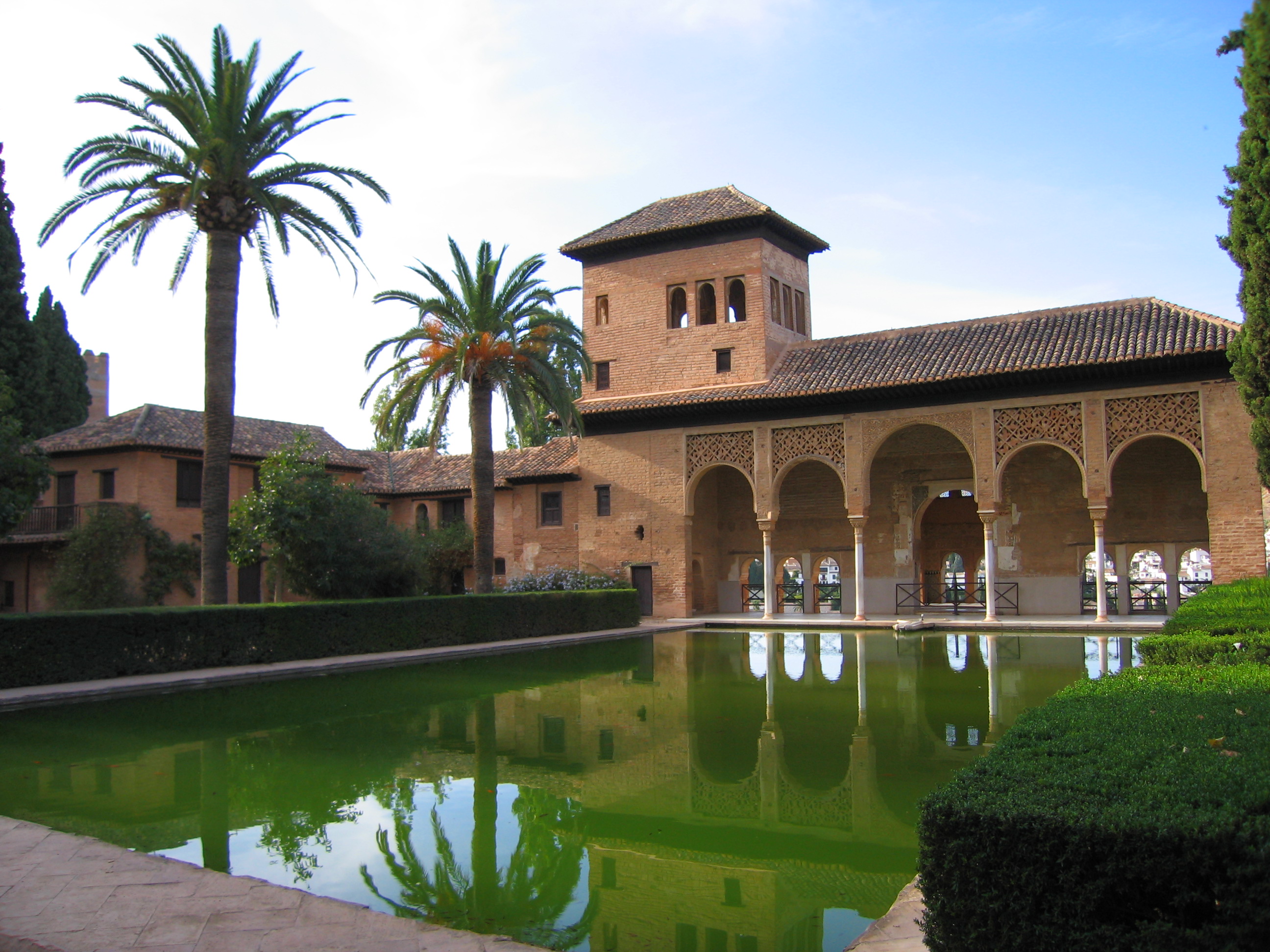
The presence of Islam in Spain for seven centuries is the main differentiating element of what has been called the ‘Spanish exceptionalism’. In what way is Spain exceptional? Well, it was part of the Muslim world for seven or eight centuries. Spain has been romantically described as the Middle East of the Western world, and this was the experience of the travellers who penetrated Spain in the nineteenth century. The new enlightened ones reached the Alpujarras and saw a country that still kept the Islamic influence very much alive. But I believe that for Spain, if we want to talk about Spain without remnants and without fears, the important thing is to accept its historical experience totally, without eliminating any of its parts. To understand it, to make it intelligible to ourselves. And to see to what extent this vision of a complex Spain is useful at this time in Europe and in the East. And in order to do so, we must integrate this Islamic factor, to the right extent, into the history of Spain and, therefore, into the history of Europe.
Following the questions of ex-foreign minister Josep Borrell, can Turkey be part of the EU? What about the European Muslims? Are they fully citizens of the EU and not subjected to any form of discrimination?