
The 'Shast' of Akbar: offering a mixed gift
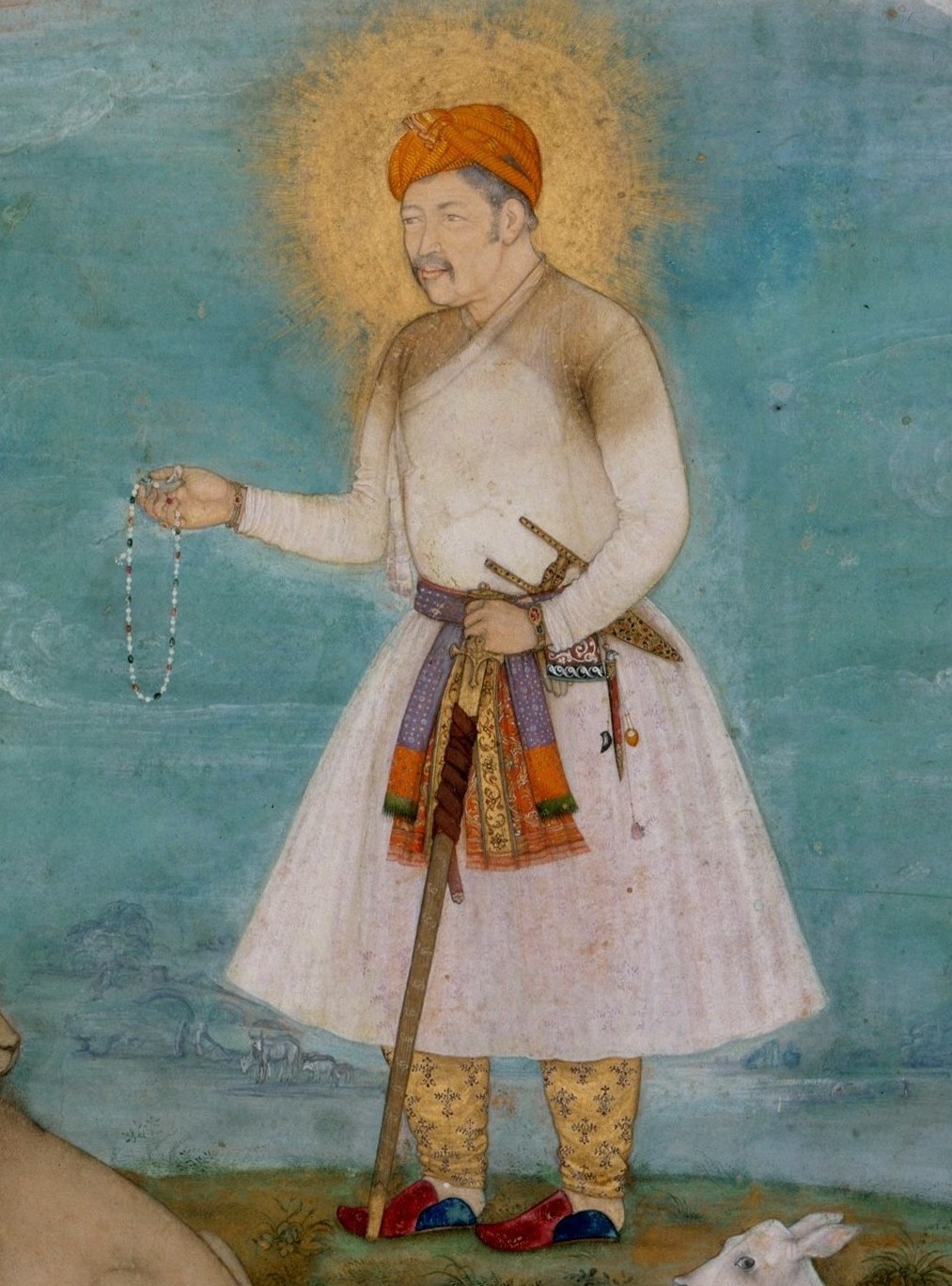
Akbar the Great (1542-1605) was the third leader of the Mughal Empire. The Mughals ruled vast territories in India, which contained many different populations with many different religions. Akbar’s predecessors were followers of Islam who immigrated from Central Asia. So, despite this lasting diversity in India, Muslims enjoyed a privileged position at the Mughal court and in the wider Empire. This changed with the rule of Akbar. He followed an unusual religious path. At the beginning of his reign, Akbar was strongly attached to the Muslim faith of his father and grandfather. He even acted against other Muslim sects when he felt they acted heretically. However, he gradually came to believe that none of the existing religions had a monopoly on truth. He therefore founded his own religion in 1582, which is best known as the Din-i Ilahi. This new religion was based on the principle of Sulh-i-kul. This is often translated as ‘universal peace’. Effectively, the Din-i Ilahi promoted tolerance between different peoples and religions. The new religion also contained elements from other faiths, including Islam and Hinduism. However, the religion was also firmly oriented towards Akbar himself. The Emperor personally selected his own fellow believers, meaning that the religion was mostly limited to a few people at court. So some scholars have argued that the Din-i Ilahi was more a political system than a real religion.
Do you think it is good to mix different religious practices like this?
For more information on this and other peace treaties, see