
League of Nations: the protection of minority rights
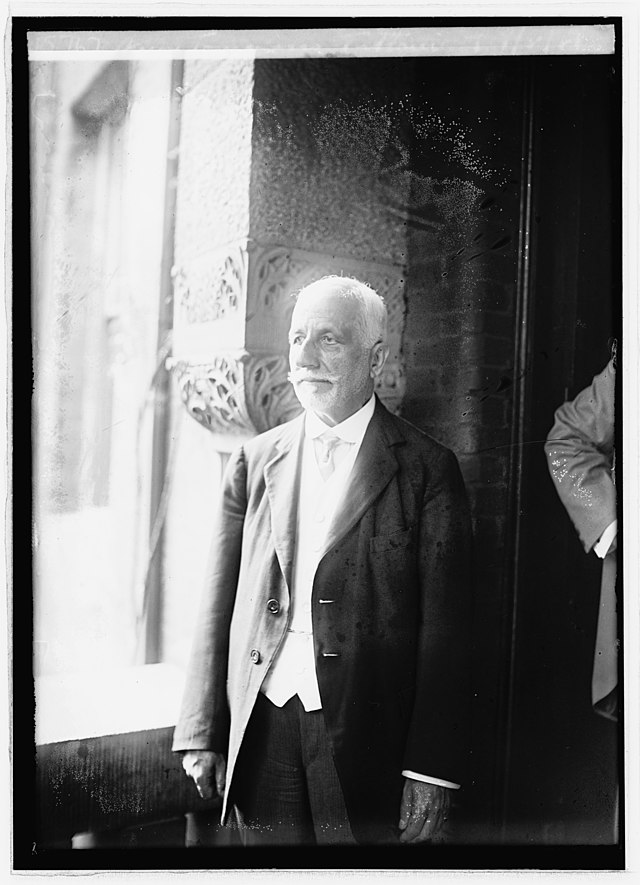
On 22 October 1920, a report by M. Tittoni was presented to and adopted by the Council of the League of Nations. It read as follows:
"It may be advisable at the outset to define clearly the exact meaning of the term “guarantee of the League of Nations”. It seems clear that this stipulation means, above all, that the provisions for the protection of minorities are inviolable, that is to say, they cannot be modified in the sense of violating in any way rights actually recognized and without the approval of the majority of the Council of the League of Nations. Secondly, this stipulation means that the League must ascertain that the provisions for the protection of minorities are always observed."
The League of Nations, established by the Versailles Treaties in 1919, was the first international organisation created with the primary aim of preventing another global conflict. To this end, it addressed diplomatic tensions and security concerns, mediated international disputes, and sought to curb military rivalries. The League also implemented mechanisms for the protection of minority rights and directly administered several contested territories, such as the Saar region and the Free City of Danzig. Beyond political matters, it played a role in global health, intellectual property, and international standardisation. The organisation held its final session on 18 April 1946 in Geneva, after which it was formally succeeded by the United Nations.
Tittoni proposed a more systematic approach to monitoring the protection of national and religious minority rights in the post-World War I context. How do you interpret his argument in light of the aftermath of WWI and the creation of the League of Nations?