
Monks who do not like divine power
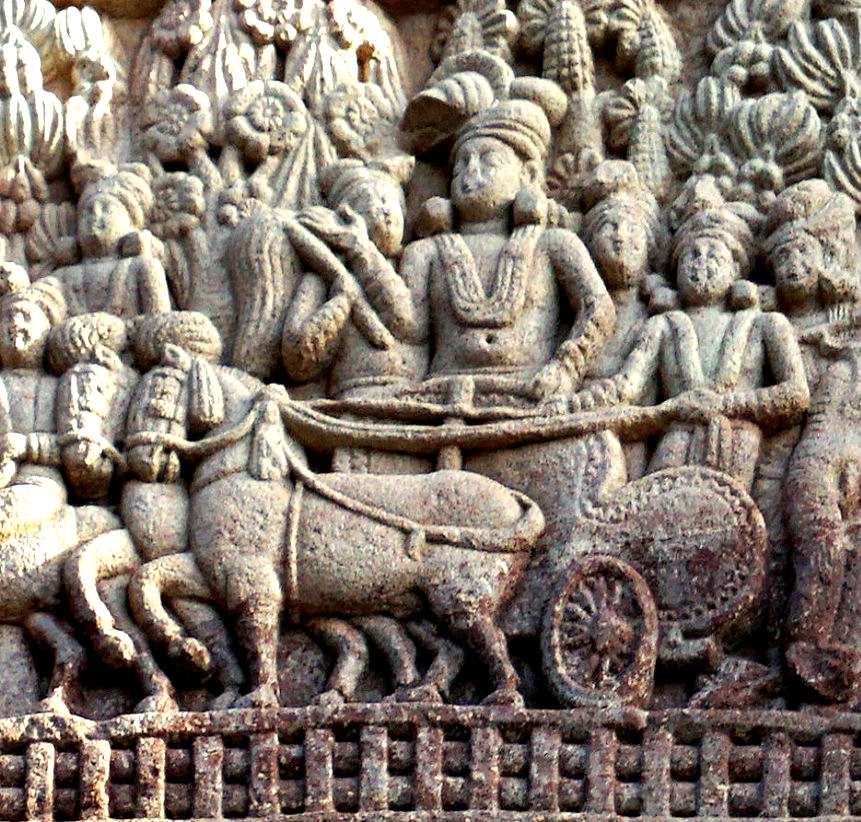
Ashoka was a powerful Hindu ruler who inherited a large Indian empire from his grandfather. Initially, he was a fierce warrior who continued to conquer new lands, even beyond India itself. However, in 263 BCE (Before the Common Era, so meaning before year 1 in the Western calendar) he converted. He switched from Hinduism to Buddhism and started to promote his new faith amongst his subjects. Most sources state that he did so because he was shocked by the destruction and death his own armies had brought upon neighbouring kingdoms. He built many religious buildings and sent Buddhist monks to other lands, maybe even as far as to the Greek states. There are few historical sources about Ashoka, but some of the most important are the so-called Rock and Pillar Edicts. In order to spread his teachings and the law, Ashoka had both stories and rules inscribed in pillars or rocks all across his kingdom. These were situated in important towns or along important roads. In this way, both his subjects and travellers knew they were in the Empire of Ashoka and understood how they were meant to behave there.
Do you think that the monks were right to fear Ashoka? Do you think religious leaders, such as the monks, are more important than other leaders, such as Ashoka?
For more information on this and other peace treaties, see