
Charter of Fundamental Rights of the European Union: challenging religious discrimination
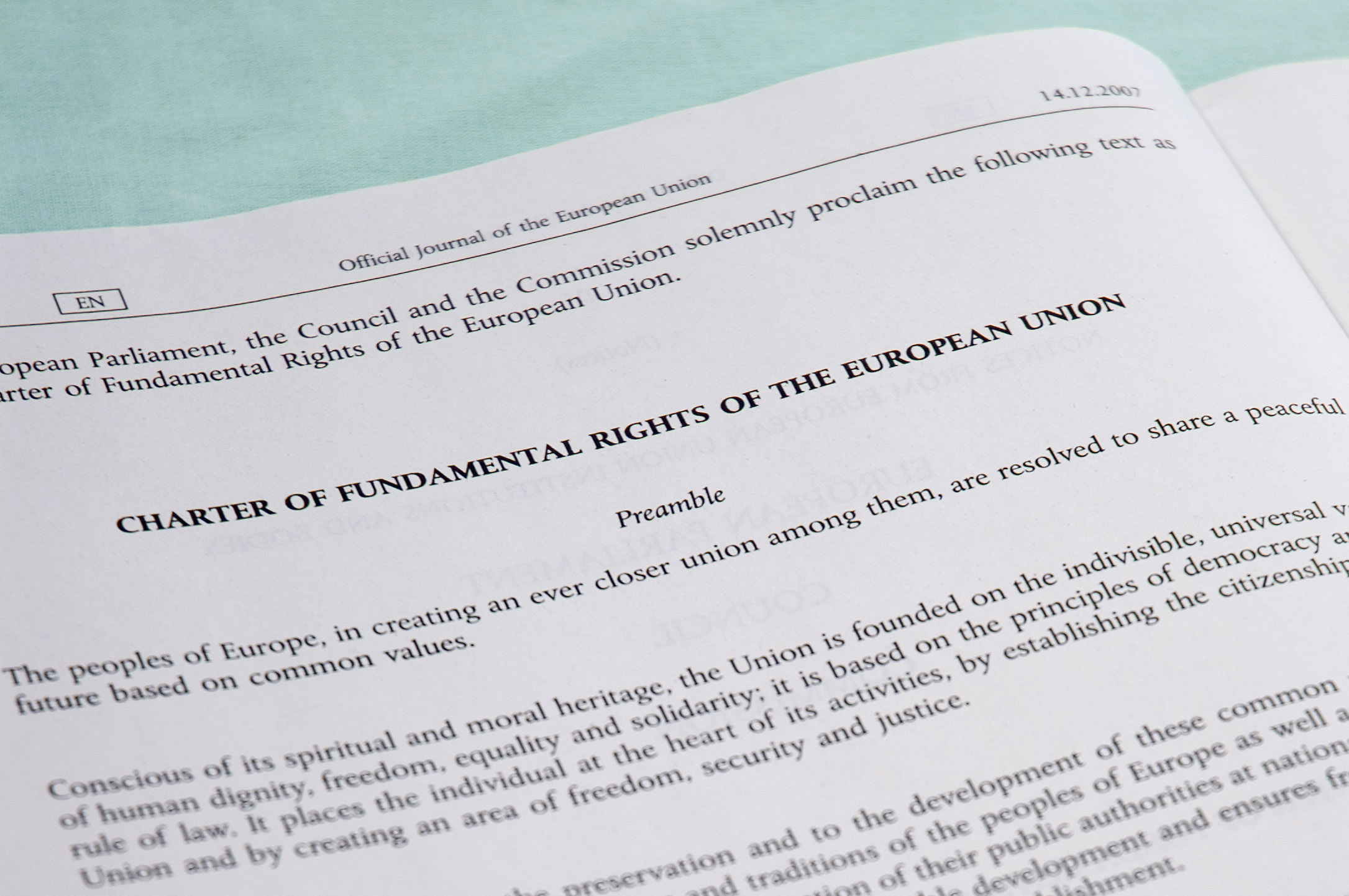
In 2011, the European Union Agency for Fundamental Rights issued a report titled ‘Respect for and protection of persons belonging to minorities 2008-2010’. The report addressed matters related to the principles of non-discrimination and religious and linguistic diversity of the CFREU. The research showed that the minority groups in the EU, predominantly Muslim, still suffer ‘considerable discrimination’. The grounds of the discrimination, however, were hard to pin down, as almost half of the respondents could not say if it was based on ‘religion or belief or their ethnic or immigrant background’. Interestingly enough, according to the report, ‘wearing traditional or religious clothing, including a headscarf, affected their experience of discrimination only marginally’.
The Charter of Fundamental Rights of the European Union (CFREU) was solemnly proclaimed in December 2000 at the Intergovernmental Conference held in Nice, France – the formal procedure of negotiating amendments to the founding treaties of the EU. The rights proclaimed by the CFREU were drawn from various international and national sources, as well as from the European Community’s own 1989 Charter of the Fundamental Social Rights of Workers. The CFREU was further recognised by the European Parliament, the Council of Ministers and the European Commission as a major step forward in the human rights field. The European Union Agency for Fundamental Rights is an EU body created in 2007 with a mission of monitoring, collecting and analysing data related to the CFREU.
How do you interpret these findings by the report? Have you ever experienced hatred or negative statements toward your religion?
For more information on this and other peace treaties, see