
Everyday shoes in Ottoman times
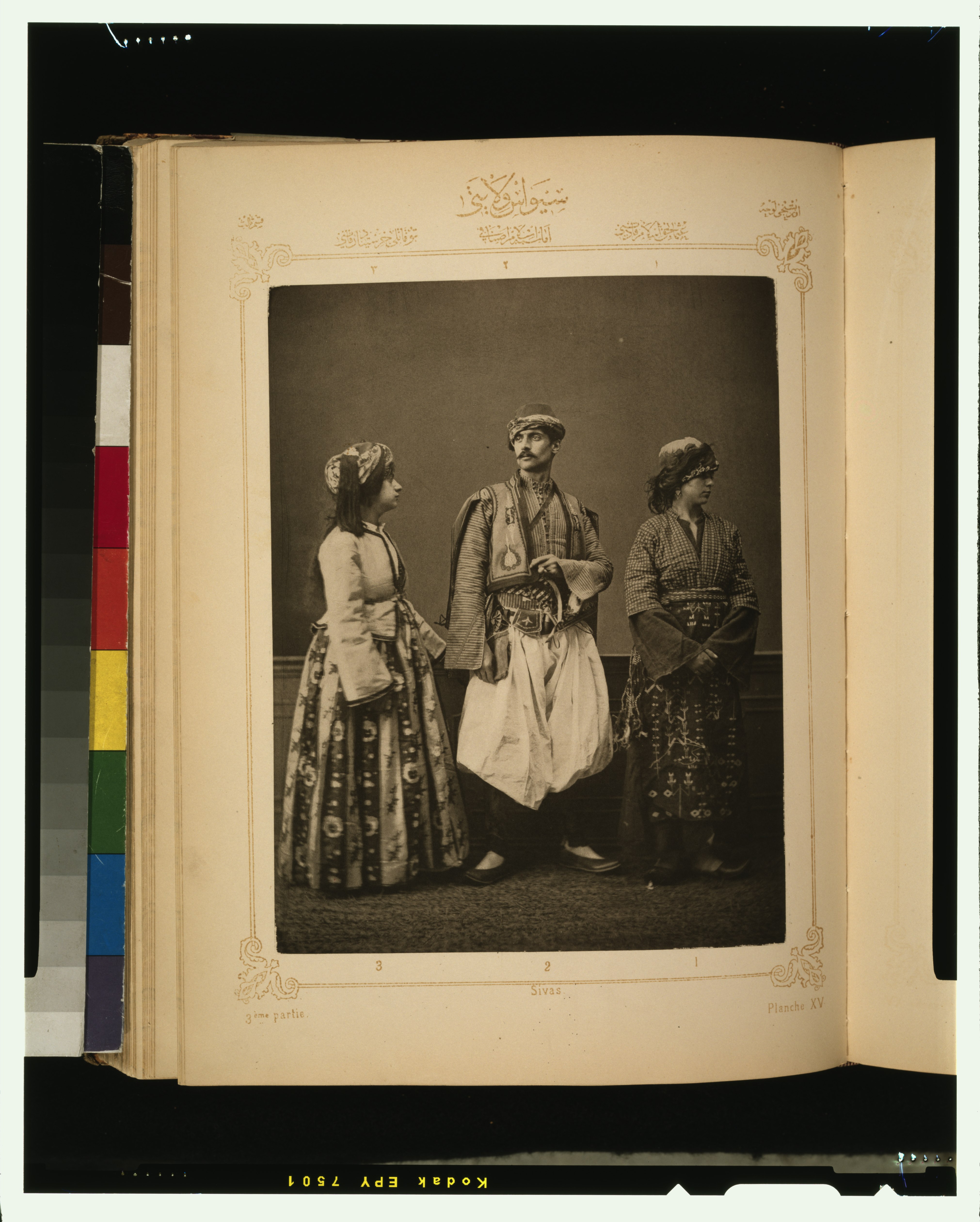
In 2003, an exhibition titled ‘The Phoenix Trail’ was organised by the Museum of the city of Skopje. The exhibition presented the everyday life of the Macedonian Jewish community throughout the centuries. Clothing appears as an interesting point in the discussion of the joint communal signs of identification during the Ottoman times. The exhibition presented a set of Sultans’ decrees preventing the non-Muslim population of the Ottoman Empire from wearing the same or similar clothes as the dominant Muslim population. For instance, the Hungarian historian Marianne Birnbaum writes that the Ottoman Muslims predominantly wore yellow leather shoes. The non-Muslim population was thus expected not to wear yellow coloured shoes. Instead, the Christian and the Jews wore black or dark coloured shoes. In addition, the non-Muslims were banned from wearing ‘fine fabrics or expensive furs such as ermine or sable, and instead they wore smaller turbans made of less fabric than the Muslims’. There were, however, also differences in the clothing between the Christians and the Jews in the Ottoman times. The clothing was, in general, considered as a mean of expressing communal identity, but without looking more luxurious than the clothing of the Muslim population.
The Ottoman Empire had a complex governing structure, developed in the course of the several centuries of its imperial history (14th to 20th century). The head of the Empire was the Sultan. The Sultans could issue royal decrees, called firmans, which had an immediate legal application. The word ‘firman’ is of Persian origin and means decree or order. The Sultans’ firmans were interventions on several legislative levels, from highest, constitutional level, to a more practical level – such as granting permission to travel across the Empire.
What does the clothes mean for those who wear them? Do they hold other symbolism?
For more information on this and other peace treaties, see