
Religious violence and state authority: Saint Germain clause prohibiting violence
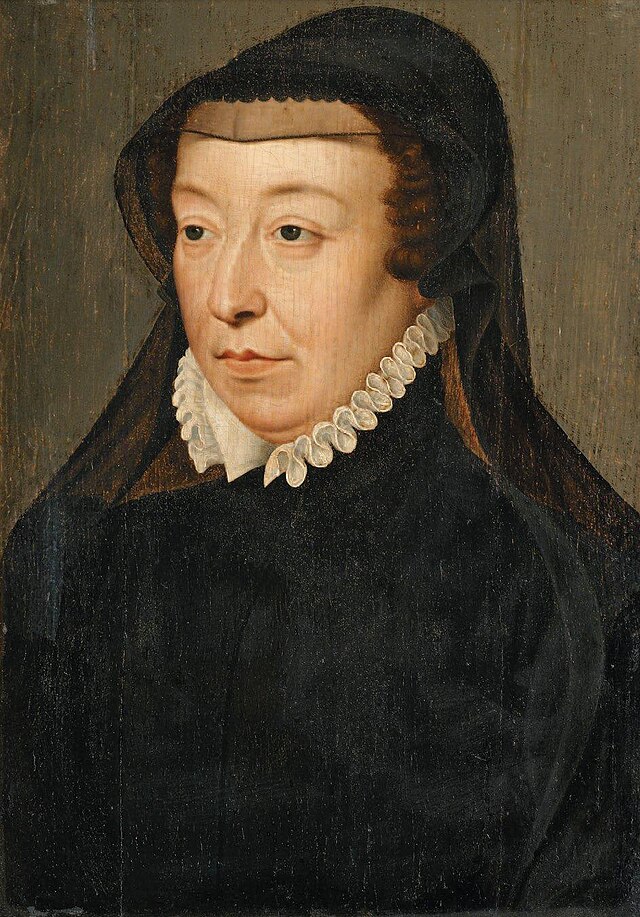
The Edict of Saint-Germain aimed to curb religious violence by forbidding offenses against Protestants and banning weapons at religious gatherings. These measures sought to reduce ongoing clashes between Catholics and Protestants, which had been frequent in preceding years. Catholic violence often targeted Protestant individuals, viewing their presence as a stain on the community, while Protestant aggression focused on Catholic religious objects, which they saw as corrupting the true relationship with God. However, Protestants also attacked clergy, such as priests and monks. Both sides sometimes justified their violence by invoking royal authority, as in the case of Catholics in Orléans who killed a Protestant trader in the name of the king. The Edict sought to limit such misuse of power by reinforcing the role of state officials, marking an early effort to break the cycle of religious violence.
The Edict was presented as a temporary measure, pending the results of the Council of Trent. Convened in 1545, the Council aimed to address the Reformation and restore unity in Western Christianity. After years of delays, it concluded in 1563—one year after the Edict—ultimately rejecting Protestant teachings and solidifying Catholic doctrine. With reconciliation unattained, religious settlements increasingly fell to secular authorities, including kings, parliaments, and cities.
One clause in the Edict required Protestants to return or repair damaged religious ornaments, images, and relics—objects central to Catholic worship and often targeted in Protestant riots. For instance, in 1561, Protestants stormed a Carmelite monastery in Albiac, mocked the relics by displaying them publicly, and dismissed them as mere animal bones. This rule aimed to repair such deep symbolic and communal rifts.
The Edict of Saint-Germain (1562), issued by the Catholic French king, granted limited rights of worship to Protestants in an effort to ease mounting religious tensions. Despite earlier persecution, Protestantism had steadily gained followers across France. While initially worshipping in secret, Protestants eventually began holding public gatherings, heightening conflict with Catholic authorities. The Edict permitted Protestant worship outside city limits, aiming to establish a framework for coexistence. However, it faced strong resistance from Catholic nobles and judges, who rejected any recognition of Protestant worship. This opposition undermined the Edict’s effectiveness. Although Protestants believed the law protected their public assemblies, they were still subject to attacks. In response, they seized control of local governments in several cities, triggering the first French War of Religion in the summer of 1562. Over the next 37 years, France endured a cycle of religious warfare punctuated by fragile, short-lived attempts at peace.
What is the role of religious ideas and of state laws in preventing conflict and violence? Should religious ideas be adapted to contribute to peace? Or are governments mainly responsible for creating laws that prevent violence?