
Declaration of the Rights of Man and the Citizen
Throughout much of the eighteenth century, France was a centralized monarchy, with the king exercising authority over the most important decisions from his palace near Paris. Since 1685, Catholicism had been the only officially recognized religion in the kingdom.
By the end of the century, however, a series of political, social, and financial problems had plunged France into crisis. Years of war had resulted in a massive state debt, ultimately leading to royal bankruptcy. French society was organized into three ‘estates’, or social orders, each with distinct rights and obligations. The nobility enjoyed extensive privileges and had the right to collect financial dues. The clergy were similarly privileged. Everyone else—ranging from impoverished peasants to wealthy merchants—belonged to the ‘Third Estate’, which carried the heaviest burdens and had the fewest rights.
Throughout the 1700s, Enlightenment thinkers increasingly criticized this deeply unequal system. By the summer of 1789, widespread discontent had brought France to the brink of revolution.
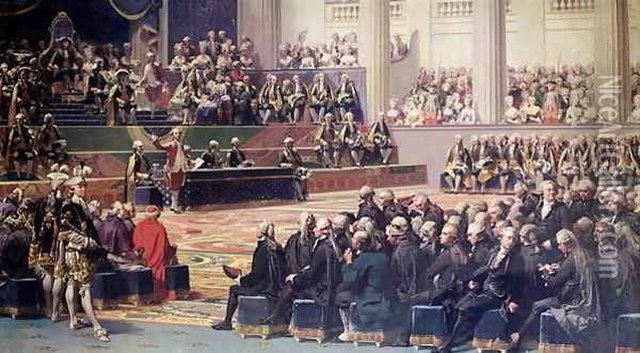
In May of that year, the king summoned the Estates-General, an assembly of representatives from all three estates that had not convened for over a century. Traditionally, the estates met and deliberated separately, but this arrangement was soon challenged by the Third Estate. After their demands for equal representation were rejected, the king dissolved the assembly.
In response, representatives of the Third Estate formed a new body: the National Assembly. They soon declared themselves the National Constituent Assembly and began drafting a constitution for France, drawing inspiration from the American Constitution and the Declaration of Independence.
By the end of August 1789, the Assembly had produced the Declaration of the Rights of Man and of the Citizen, a document comprising 17 articles that asserted the sovereignty of the people and enshrined key civil liberties. While religion was not a primary focus, one article specifically addressed the right to religious freedom.
How do you think the unfair social system in France helped spark the Revolution of 1789?
For more information on this and other peace treaties, see