
Declaration of Rights: Burke and tolerance
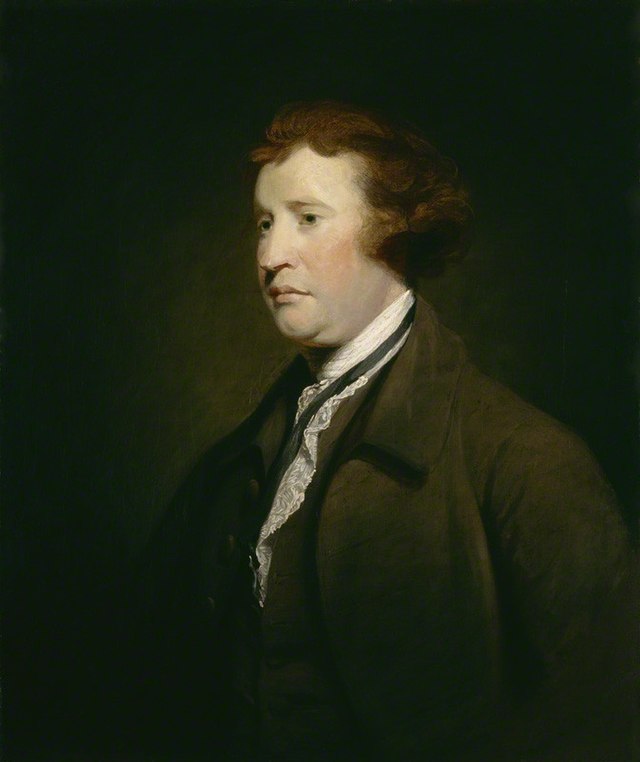
The Declaration on the Rights of Man and of the Citizen as well as the French revolution were supported or criticised by many people outside of France. One of the most famous opponents of the revolution was the Irish-English philosopher and politician Edmund Burke. He wrote an elaborate treaty entitled ‘Reflections on the Revolution in France’, published in 1790 shortly after the outbreak of the revolution. In it, he criticised the Declaration, as well as the consequences of the French revolution. He accused the revolutionaries of being radicals who knew no moderation. He also argued that their final goal was to abolish Christianity, and he strongly opposed the confiscation of church buildings and other properties. Finally, he accused the revolutionaries of having a false conception of tolerance that did not respect what is tolerated. Burke wrote:
‘We hear these new teachers continually boasting of their spirit of toleration. There is not much merit in tolerating all opinions if you don’t think highly of any of them. Equal neglect is not impartial kindness.’
The Declaration of the Rights of Man and the Citizen (1789) is a short document drafted by the French general assembly. The assembly was a meeting that represented the citizens of France. It was formed in 1789 as a new institution in response to a major constitutional crisis in France. Due to severe financial and economic problems, the French king had convened the traditional popular representation, called the Estates-General. In Estates-General, the representatives of the nobility, the church and of the ‘third estate’ – the majority of the population – met as three separate groups. The third estate refused to meet separately. This led to the foundation of the general assembly. The rights that are listed in the declaration are a rupture with the political and legal system of France. For the first time, rights for men were not bound to particular social groups. All men who were citizens were now entitled to these rights. The Declaration asserts rights in various fields, including religion. The declaration protected various religious opinions, making way for equal rights for non-Catholics such as Jews and Protestants.
When you reflect on the quote from Burke, what does tolerance mean to you?
For more information on this and other peace treaties, see