
Olympe de Gouges and the rights of women
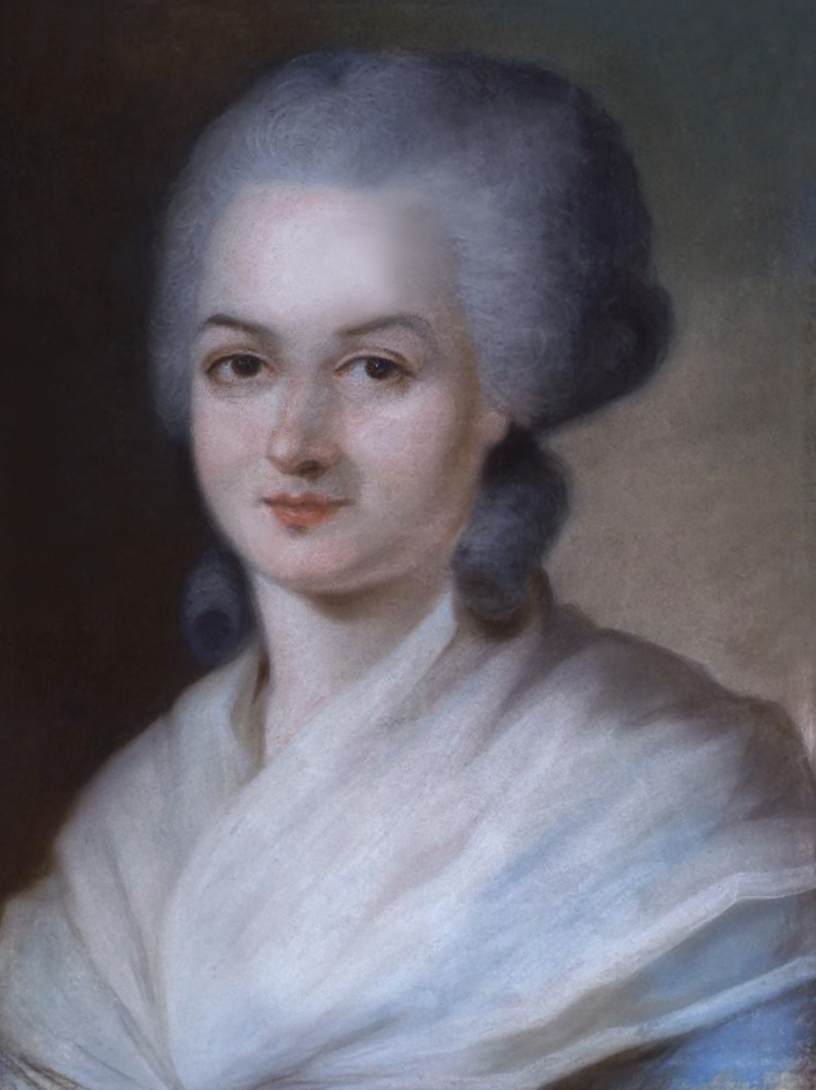
The "Declaration on the Rights of Man and of the Citizen" was in many ways a revolutionary document, but its emphasis on 'Man in its title was noted even by contemporaries. Earlier treaties had explicitly stressed that its regulation applied to both men and women. The Declaration, on the other hand, implied the dominance of men in public life. In response to this, Olympe de Gouges wrote a "Declaration on the Rights of Women and of the Female Citizen" in 1791. That declaration largely mirrors the one of 1789. De Gouges’ text also stressed freedom of opinion and of thought in her declaration. She did not explicitly discuss the religious rights of women, but she referred to women’s rights as sacred.
The "Declaration of the Rights of Man and the Citizen" (1789) is a short document drafted by the French general assembly. The assembly was a meeting that represented the citizens of France. It was formed in 1789 as a new institution in response to a major constitutional crisis in France. Due to severe financial and economic problems, the French king had convened the traditional popular representation, called the Estates-General. In Estates-General, the representatives of the nobility, the church and of the ‘third estate’ – the majority of the population – met as three separate groups. The third estate refused to meet separately. This led to the foundation of the general assembly. The rights that are listed in the declaration are a rupture with the political and legal system of France. For the first time, rights for men were not bound to particular social groups. All men who were citizens were now entitled to these rights. The Declaration asserts rights in various fields, including religion, and protects various religious opinions, making way for equal rights for non-Catholics such as Jews and Protestants.
Can laws and rights be formulated inclusively, without excluding anyone?
For more information on this and other peace treaties, see