
The Religioensvrede (1578) and the Dutch Revolt
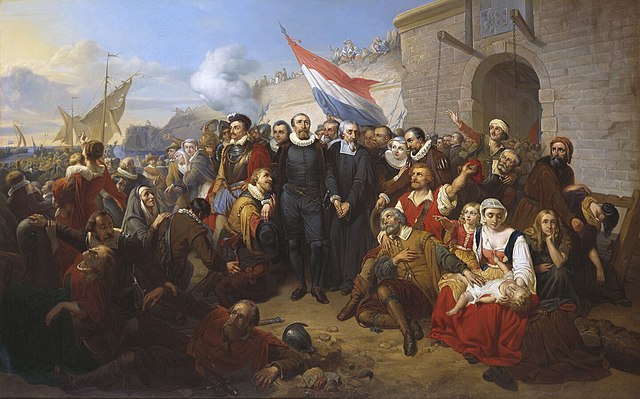
Until the early 16th century, the Low Countries were a Catholic region. By the 1520s, however, growing interest in the Reformation introduced new Christian ideas aimed at reforming the Church. When the Catholic Church rejected these reforms, Protestants began creating separate churches.
Authorities viewed the movement as a threat and responded with strict persecution laws, sparking political tensions, as some nobles opposed the harsh measures. Protestants, initially meeting in secret, began preaching openly by 1566.
In 1568, King Philip II sent the Duke of Alva to suppress the movement, leading to an open war. Holland and Zeeland became Protestant rebel strongholds, while royal forces controlled other regions where only Catholicism was allowed.
After ten years, the royal army collapsed due to lack of funds. From 1576, moderates sought peace. In 1578, delegates from across the region proposed the ‘Religioensvrede’, a treaty to allow Catholics and Protestants to live together, inspired by agreements like the Peace of Augsburg. Around 20 cities adopted the treaty, marking an early effort at religious coexistence.
How much religious freedom does the ‘Religioensvrede’ offer?