
Amnesty in the Religioensvrede (1578)
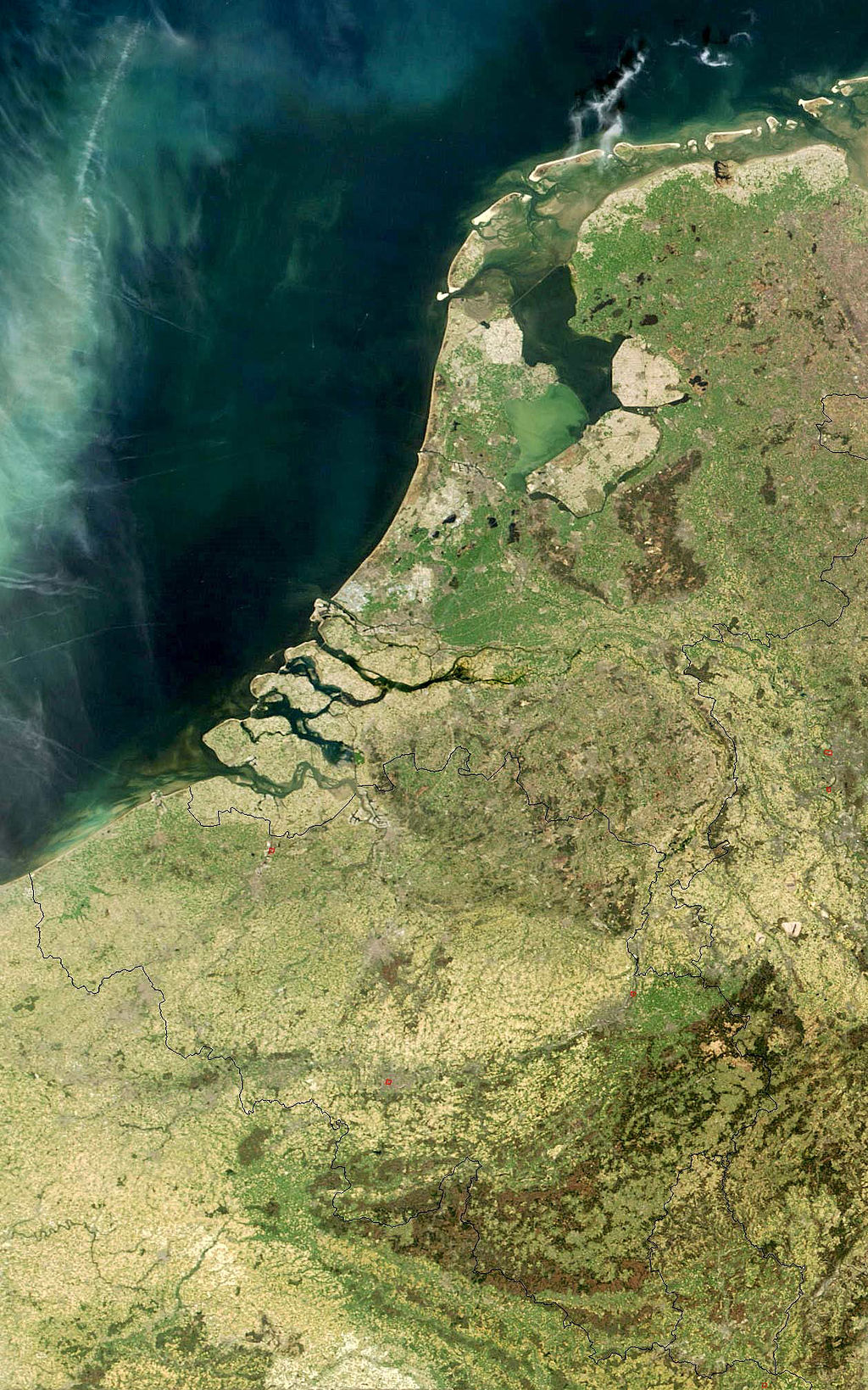
The Religioensvrede (1578) was an arrangement to allow the living together of Catholics and Protestants in the Low Countries. The Low Countries were a region that roughly covered current day Belgium and The Netherlands. In the years before 1578, the government of the Low Countries had only allowed Catholicism and had prosecuted Protestants. In regions taken over by Protestants, Catholics were treated badly and they encountered violence. The army of Spain supported the Catholic government of the Low Countries. The army’s soldiers fought Protestants, but also harassed many Catholics. Moderate Catholics and Protestants from the Low Countries made peace with each other and joined together in their opposition to the Spanish army. To sustain that peace, they developed a set of rules, obligations and prohibitions to facilitate that Catholics and Protestants could live together. These various measures were listed in the Religioensvrede.
How important is forgiveness to resolve conflicts? And how important is forgetting or remembering in the pacification of conflicts?
For more information on this and other peace treaties, see