
Edict of Nantes: Cemeteries
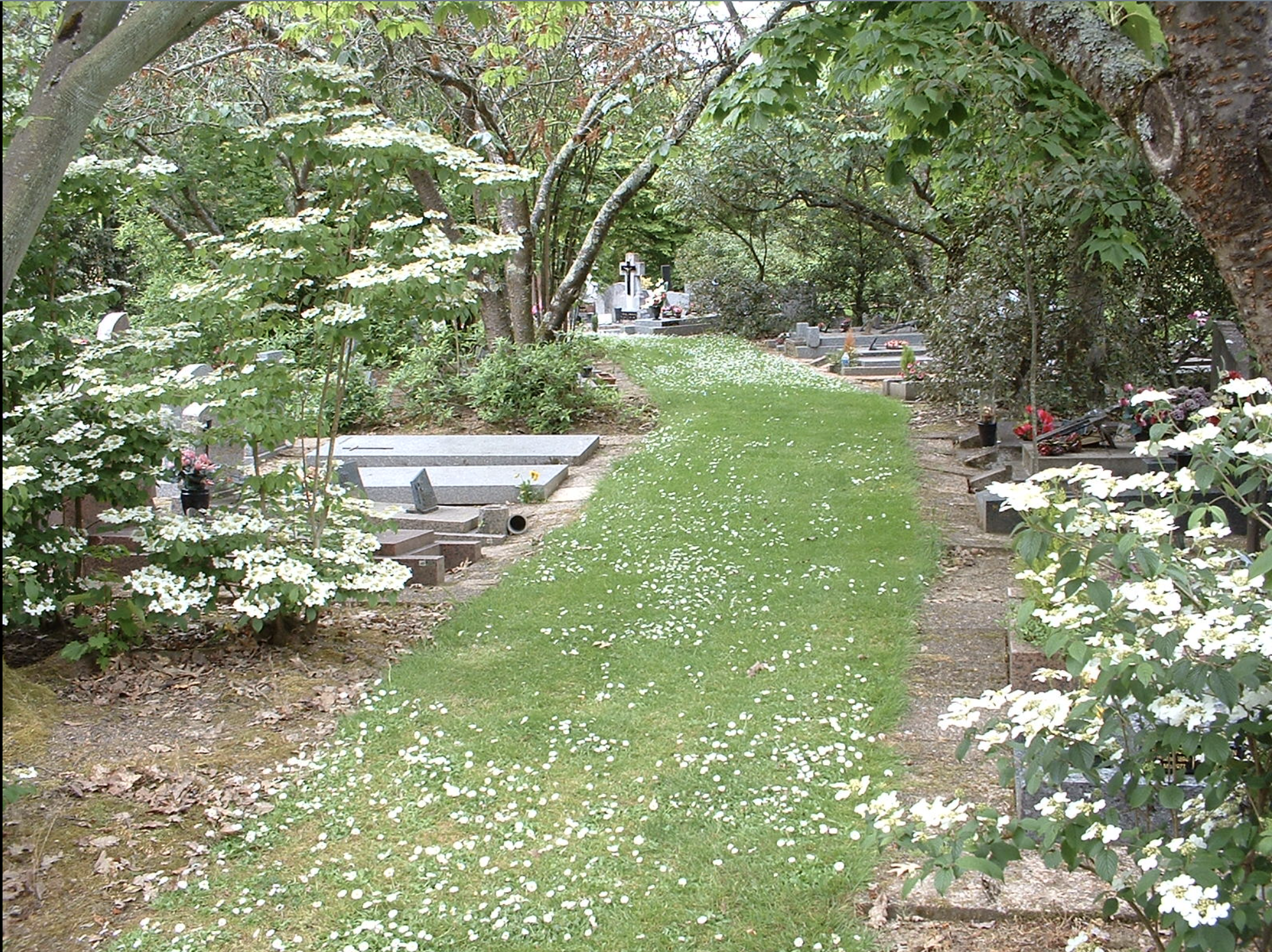
The Edict of Nantes stated that Catholics and Protestants should have separate cemeteries. This separation was important in particular for Catholics who resented sharing their final resting place with Protestants. For them, the bodies of Protestants were a pollution of their sacred ground. The regulation in the edict thus had to prevent such tensions. However, in many places Catholics and Protestants continued to share cemeteries. For example, the inhabitants of Castelmoron-sur-Lot preferred to continue to use one common cemetery. That way, everyone could continue to use the tombs of their family. In many other places, no new burial place was created for Protestants. There the old cemetery was divided to save costs. In the decades after the Edict, these accommodations became less frequent. Catholics became stricter and demanded separation. Protestants had to buy grounds outside of the city walls to bury their dead.
The Edict of Nantes (1598) settled the relations between Catholics and Protestants in France. In the preceding 36 years, France had gone through a series of civil wars. These wars alternated with treaties that made religious peace between Protestants and Catholics. The Edict provided the right to worship to Protestants and assigned them various fortifications in France as a safeguard. But it also limited their rights in other ways. For example, Protestants could not worship in Paris, at the royal court or in the army.
The Edict of Nantes remained in force until 1685. In that year, King Louis XIV revoked the rights of Huguenots in France. The perception of the Edict of Nantes is thus divided. While it succeeded in ending decades of war, it did not diffuse the distrust between French Catholics and Protestants. Moreover, Huguenots lamented that it allowed Catholics to gain in strength and diminish the rights of Protestants in the following decades.
How important do you consider it to respect religious distinctions between those who died?
Further information about the Edict of Nantes can be found at On Site, In Time.
For more information on this and other peace treaties, see